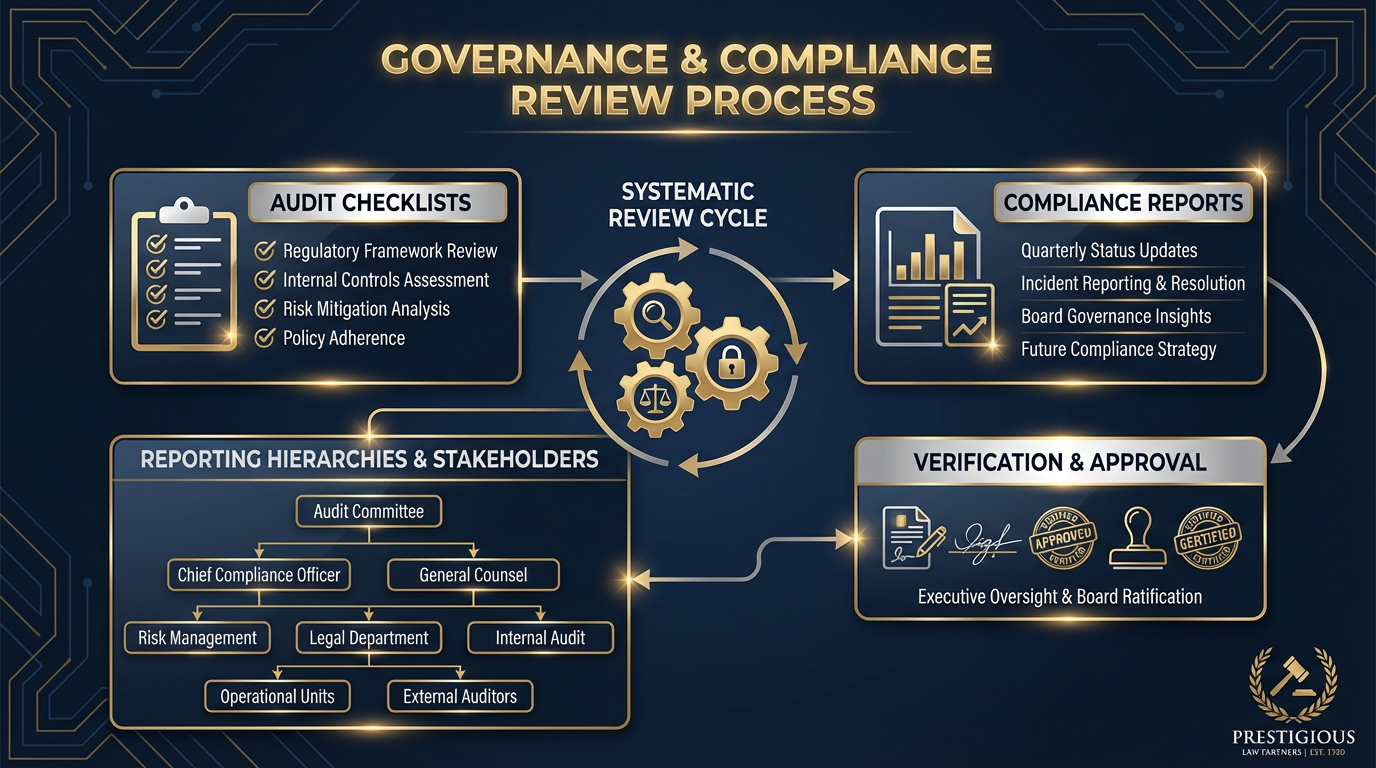
Section 10(2) requires Significant Data Fiduciaries to conduct annual audits of DPDPA compliance. Board members often misunderstand this requirement. It is not internal review documented for file. It is independent assessment submitted to the Data Protection Board.
1The Audit Mandate
Section 10(2)(d) mandates annual audit by an independent Data Auditor. This auditor must possess qualifications prescribed by the Central Government. They must conduct their assessment independently of management influence. They must report findings to the Data Protection Board.
This audit differs from internal compliance review. Internal review identifies gaps for remediation. Independent audit attests to compliance status for regulatory assessment. The Board receives audit findings as evidence of your compliance pulse. Adverse findings create regulatory exposure. Favourable findings demonstrate compliance credibility.
Key Points
- Independent Data Auditor required
- Report submitted to Data Protection Board
- Findings create regulatory evidence
2Audit Scope
The audit must assess compliance across DPDPA provisions. Consent architecture and record keeping. Security safeguards and breach response capability. Data principal rights mechanisms. Vendor management and processor oversight. Data retention and deletion practices.
This comprehensive scope means audit preparation touches every function processing personal data. Marketing must evidence consent practices. Technology must demonstrate security controls. Operations must show rights handling procedures. Procurement must document vendor assessments. Each function contributes to audit readiness.
The DPO coordinates this preparation but cannot own it. Business functions must maintain compliance as ongoing operational practice. Last minute preparation for annual audit suggests compliance is performance rather than practice.
Key Points
- Comprehensive scope across provisions
- Every function contributes evidence
- Ongoing practice not annual performance
3Board Responsibilities
Board members bear responsibility for audit outcomes. The DPO reports to the board. The audit assesses organisational compliance. Adverse findings reflect board oversight failure.
This responsibility requires board engagement beyond receiving annual audit results. Quarterly DPO reporting should prepare board for audit outcomes. Board members should understand compliance trajectory. They should know which remediation activities remain incomplete. Audit findings should not surprise a properly engaged board.
Board members should also understand resource implications. Compliance improvement requires investment. Technology upgrades, personnel training, process redesign. A board that denies compliance resources cannot claim surprise at adverse audit findings.
Key Points
- Adverse findings reflect board oversight
- Quarterly reporting prepares for audit
- Resource denial creates adverse outcomes
4Acting on Audit Findings
Audit findings require response. The Data Protection Board receives audit reports. They assess whether findings indicate acceptable compliance or enforcement priority. Organisations with adverse findings but credible remediation plans receive different treatment than organisations with repeated findings and no evident improvement.
The board should establish remediation governance. Who owns each finding? What timeline applies? What resources are allocated? What progress reporting frequency? This governance demonstrates serious response to audit findings.
Remember that next year audit will assess remediation progress. Findings that persist year over year signal compliance dysfunction that regulators will address through enforcement rather than continued observation.
Key Takeaways
- 1Annual audit is regulatory evidence not internal exercise
- 2Comprehensive scope requires every function contribution
- 3Board bears responsibility for audit outcomes
- 4Adverse findings with remediation plans receive different treatment
- 5Persistent findings trigger enforcement escalation