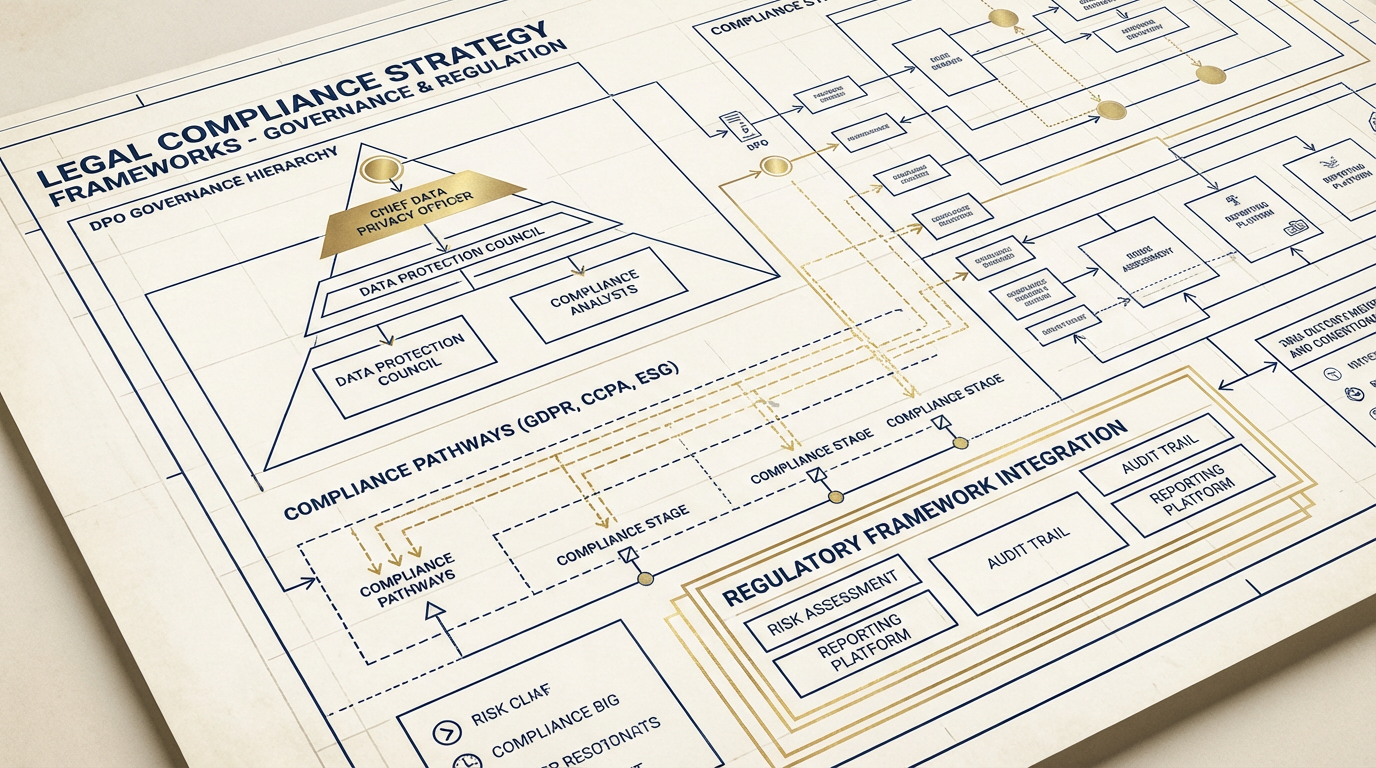

Every DPO faces the same challenge. Section 10 creates accountability for compliance oversight. But oversight requires information. Without structured daily monitoring the DPO operates on assumptions and periodic reviews. This approach fails when incidents occur between reviews or when gradual drift creates compliance gaps.
1Consent Health Indicators
The morning dashboard begins with consent architecture health. How many consent transactions occurred yesterday? What percentage achieved valid consent status? How many withdrawals were processed and within what timeframes?
These metrics reveal consent mechanism health before problems escalate. A sudden spike in consent failures indicates interface issues. Increasing withdrawal rates suggest data principal dissatisfaction. Delayed withdrawal processing signals operational bottlenecks requiring intervention. The DPO who sees these metrics daily catches problems early. The DPO who reviews quarterly discovers problems after regulators.
Key Points
- Daily consent transaction volumes
- Valid consent achievement rates
- Withdrawal processing timelines
2Security Posture Metrics
Section 8 creates security obligations that demand continuous monitoring. The dashboard should display security events from the previous 24 hours. How many access attempts were flagged as anomalous? Were any data exfiltration patterns detected? What is the status of vulnerability remediation timelines?
These indicators transform security from periodic assessment to continuous assurance. A DPO reviewing security dashboards daily develops pattern recognition. They notice when normal baselines shift. They intervene before anomalies become incidents. They document ongoing monitoring for regulatory evidence.
Key Points
- Anomalous access patterns
- Data movement monitoring
- Vulnerability remediation status
3Data Principal Rights Queue
Rights requests carry statutory timelines. Section 11 through 13 create obligations that accumulate daily. The dashboard must display active requests by type, age and status. How many access requests await response? How many are approaching timeline thresholds? How many correction requests remain unresolved?
This queue visibility prevents deadline failures. A single overdue request creates regulatory exposure. Systematic deadline failures suggest process inadequacy triggering enforcement priority. The DPO who monitors the queue daily ensures requests progress. The DPO who relies on workflow systems discovers failures only when timelines expire.
Key Points
- Active requests by type and age
- Timeline threshold alerts
- Resolution rate tracking
4Vendor and Processor Status
Data processing relationships create extended compliance surfaces. The dashboard should track processor compliance status. Have all processors submitted required certifications? Are any service level agreements approaching renewal without updated terms? Have any processors reported incidents affecting your data?
Vendor monitoring prevents supply chain compliance failures. A processor incident becomes your incident. A processor with expired certifications processes your data without compliant safeguards. The DPO who monitors vendor status daily catches these gaps before they materialise as your regulatory exposure.
Key Points
- Processor certification status
- Agreement renewal tracking
- Incident notification monitoring
5Training and Awareness Metrics
Compliance depends on organisational behaviour. The dashboard should display training completion rates. What percentage of employees have completed required data protection training? How many new joiners await onboarding training? When did key personnel last refresh their training?
These metrics reveal organisational compliance culture health. Declining training completion suggests management deprioritisation. Delayed onboarding creates untrained employees handling personal data. Expired refresher training allows knowledge decay. The DPO who monitors training daily maintains organisational compliance capability.
Key Takeaways
- 1Daily dashboard monitoring transforms oversight from reactive to proactive
- 2Consent metrics reveal mechanism health before problems escalate
- 3Security indicators enable continuous assurance not periodic assessment
- 4Rights queue visibility prevents statutory deadline failures
- 5Vendor monitoring prevents supply chain compliance failures