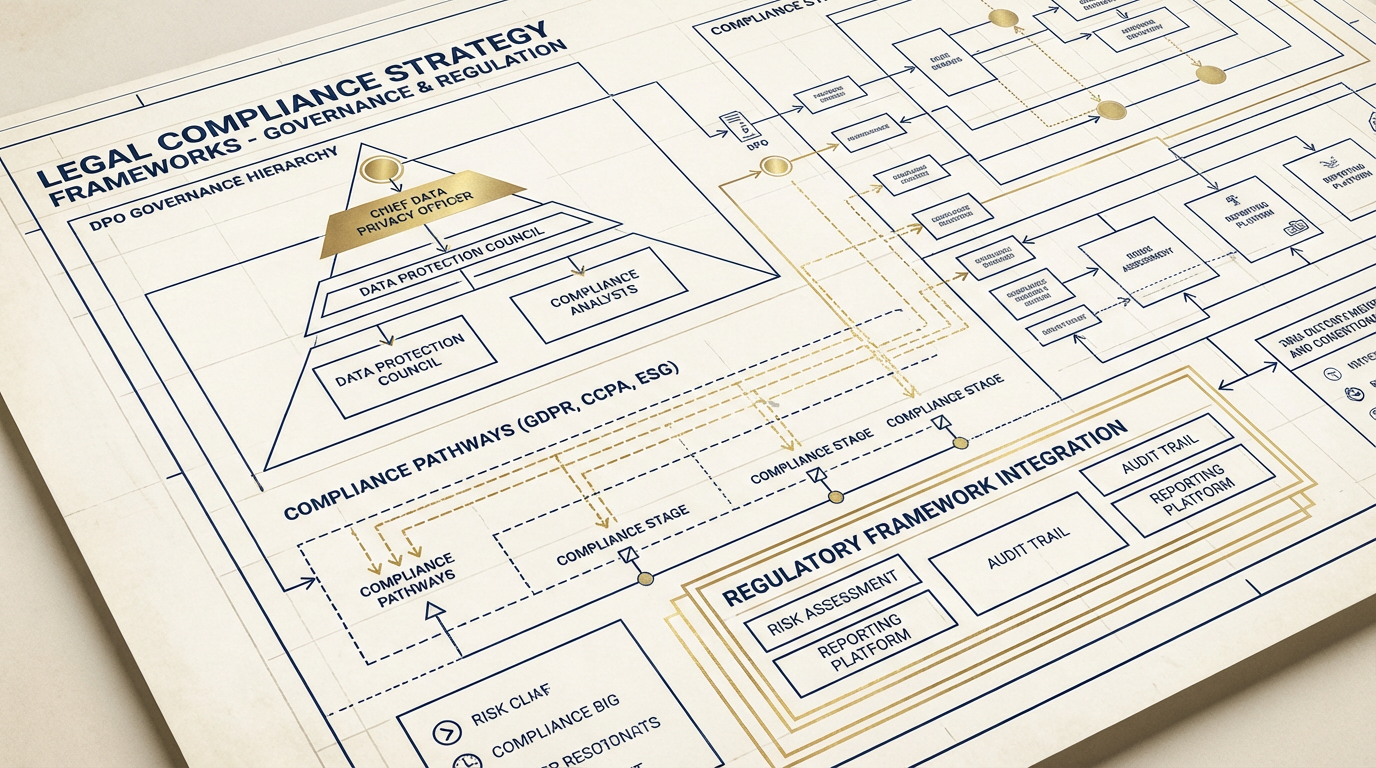

The DPDPA 2023 fundamentally differs from conventional legislation. It does not simply prescribe obligations and penalties. Instead it creates an architecture where legal compliance is impossible without technological infrastructure. This is not accidental. The drafters understood that data protection in the digital age cannot be achieved through paperwork alone.
1The Architecture of Technology Dependent Law
Consider what Section 6 actually requires. Consent must be free, specific, informed, unconditional and unambiguous with clear affirmative action. Now examine the operational reality. An organisation processing personal data of millions cannot obtain meaningful consent through paper forms. The law implicitly mandates consent management platforms, preference centres and audit trail systems. Without these technologies compliance becomes fiction.
This pattern repeats throughout the Act. Section 8 requires security safeguards preventing breaches. Section 11 mandates access mechanisms for data principals. Section 12 requires correction and erasure capabilities. Each provision assumes technological infrastructure that did not exist in previous regulatory frameworks.
Key Points
- Consent management requires digital platforms
- Security safeguards demand technical controls
- Rights management needs automated systems
2Why Previous Laws Failed
The Information Technology Act 2000 and its rules attempted data protection through disclosure requirements. Organisations published privacy policies describing their practices. Regulators accepted these documents as compliance evidence. The approach failed because disclosure without capability is meaningless.
A privacy policy promising data erasure means nothing if the organisation cannot locate and delete personal data across fragmented systems. DPDPA corrects this failure by creating obligations that are technologically self enforcing. You cannot claim consent compliance without systems demonstrating consent. You cannot claim security compliance without controls preventing breaches.
Key Points
- Disclosure without capability is meaningless
- Obligations must be technologically verifiable
- Paper compliance creates false assurance
3The Techno Legal Implications
For legal practitioners this creates an uncomfortable reality. Traditional legal advice focused on contract drafting and policy documentation. DPDPA compliance advice must address technology architecture, vendor selection and implementation roadmaps. Lawyers who cannot discuss data mapping tools, consent platforms and security technologies cannot deliver meaningful compliance guidance.
For technology professionals the implications are equally significant. System design must incorporate legal requirements from inception. Privacy by design is not a preference. It is a statutory expectation embedded in Section 8. Retrofitting compliance onto systems designed without legal input becomes exponentially more expensive than building compliance into original architecture.
Key Points
- Legal advice must address technology
- System design must incorporate law
- Privacy by design is statutory
4Practical Consequences
Organisations approaching DPDPA as a documentation exercise will fail. The Data Protection Board will not accept policy documents as compliance evidence. They will examine operational capabilities. Can you demonstrate consent records with timestamps and version control? Can you produce breach detection logs showing monitoring intervals? Can you evidence data principal requests processed within statutory timelines?
This techno legal architecture explains why compliance costs have increased dramatically. The investment is not in lawyers drafting documents. It is in systems enabling documented, auditable and verifiable compliance. Organisations that understood this early built compliance infrastructure alongside their business systems. Those discovering this late face expensive remediation projects.
Key Takeaways
- 1DPDPA requires technological infrastructure for compliance not merely documentation
- 2Legal advice must address technology architecture and implementation
- 3System design must incorporate legal requirements from inception
- 4The Data Protection Board will examine operational capabilities not paperwork
- 5Compliance investment is in systems enabling verifiable compliance