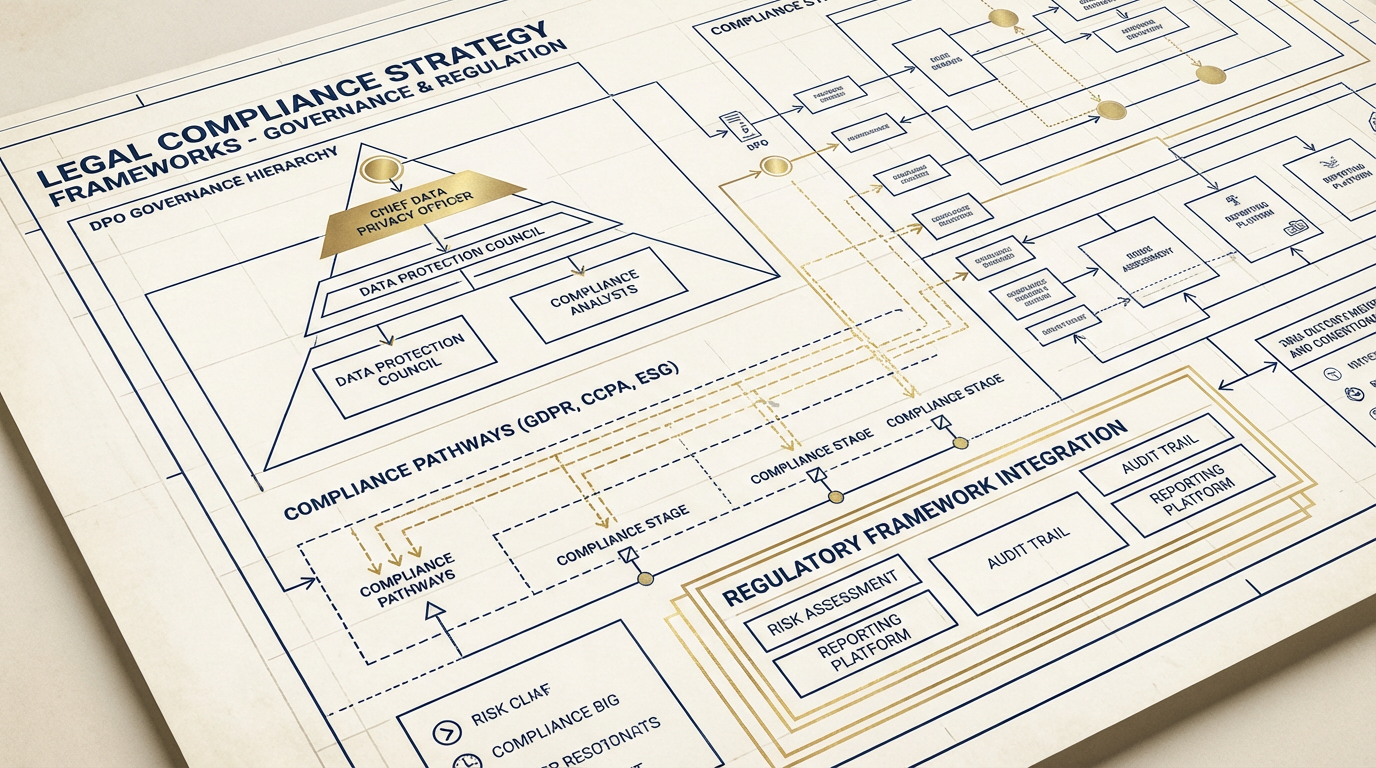

Section 10 mandates DPO appointment for Significant Data Fiduciaries. But this statutory trigger is the minimum. Sophisticated organisations appoint DPOs before mandatory thresholds because the function delivers value beyond regulatory compliance.
1The Mandatory Trigger
Section 10(2) is explicit. Every Significant Data Fiduciary shall appoint a Data Protection Officer. The DPO must be based in India. They must be senior management level or report directly to the Board. This is not optional guidance. It is statutory mandate.
The Central Government determines SDF classification based on volume and sensitivity of data processed, risk to data principals, potential impact on sovereignty and use of emerging technologies. Organisations approaching these thresholds should not wait for formal notification. Classification triggers immediate compliance obligation. Retroactive DPO appointment after classification creates gap periods with regulatory exposure.
Key Points
- Mandatory for Significant Data Fiduciaries
- India based residence required
- Senior management level position
2Beyond Mandatory Thresholds
Many organisations that fall below SDF classification still benefit from DPO appointment. Consider the indicators. You process personal data as core business activity. You handle sensitive personal data requiring enhanced protection. You operate in regulated sectors with additional data requirements. You have experienced data incidents requiring coordinated response.
These indicators suggest operational complexity that benefits from dedicated data protection leadership. The DPO function provides centralised expertise, coordinated response capability and regulatory interface that distributed responsibility cannot achieve.
Key Points
- Data processing as core business
- Sensitive data handling
- Regulated sector operations
3The Cost of Delay
Organisations often delay DPO appointment to avoid cost. This calculation is usually wrong. The costs they avoid are visible. Salary, benefits, operational budget. The costs they incur are invisible until materialised. Uncoordinated incident response. Inefficient compliance activities. Regulatory friction from absent single point of contact.
When incidents occur organisations without DPOs scramble to create response coordination. When regulators enquire organisations without DPOs struggle to provide coherent responses. When data principals exercise rights organisations without DPOs process requests inconsistently. These costs accumulate invisibly until they materialise as significant exposure.
Key Points
- Visible costs of appointment
- Invisible costs of absence
- Costs accumulate until materialised
4Timing Your Appointment
The optimal timing is before you need the function urgently. Allow 90 days for the DPO to understand your data processing landscape. Allow another 90 days for establishing governance structures and operational processes. Allow ongoing time for relationship building with business units and regulatory authorities.
Organisations approaching SDF thresholds should appoint 6 months before expected classification. Organisations experiencing significant growth in data processing should appoint before growth creates complexity beyond current capability. Organisations planning significant data initiatives should appoint before initiatives begin, incorporating privacy by design from inception.
Key Points
- 90 days to understand landscape
- 90 days to establish governance
- 6 months before expected SDF classification
Key Takeaways
- 1SDF classification triggers mandatory appointment immediately
- 2Approaching thresholds warrants proactive appointment
- 3Delay costs are invisible until they materialise
- 4Optimal timing is before urgent need emerges
- 5Allow 6 months before classification for establishment