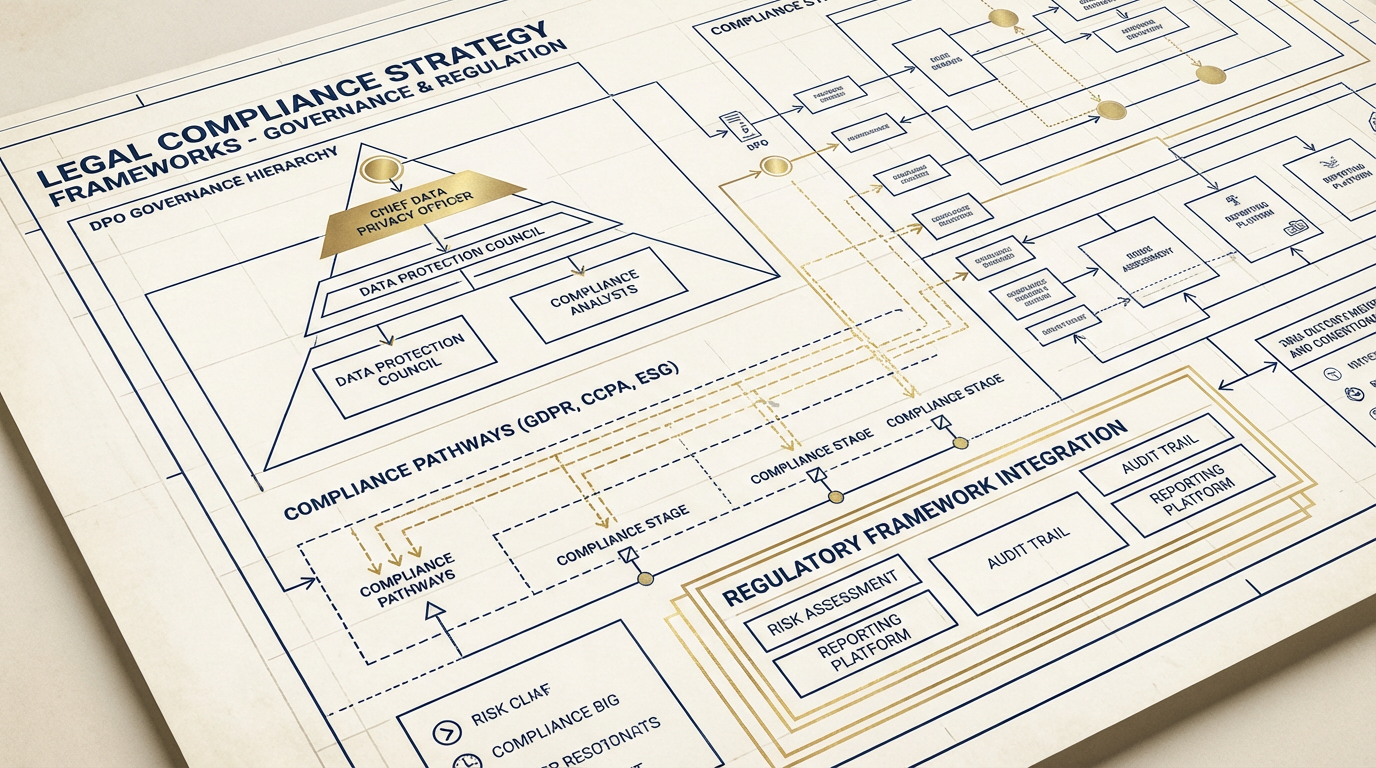

Section 10 requires the DPO to represent the organisation before the Data Protection Board. This regulatory interface demands board level credibility. But the case for board access extends beyond regulatory representation to effective governance.
1The Information Flow Problem
Organisations generate data protection relevant information continuously. Security events, consent patterns, vendor incidents, rights requests, processing changes. This information must reach the DPO without filtering.
When the DPO reports through multiple management layers, information gets filtered at each level. Managers assess whether issues are significant enough to escalate. They apply their own judgement to the DPO domain. They delay transmission to consolidate reports. By the time information reaches the DPO it may be too late for effective intervention.
Direct board reporting creates incentive for unfiltered information flow. The DPO can establish direct channels with operational teams. They can require immediate notification of specified events. They can bypass management layers that would otherwise filter critical intelligence.
Key Points
- Information filtering at each layer
- Management judgement on DPO domain
- Delay for report consolidation
2The Authority Problem
Effective data protection requires organisational behaviour change. Business units must modify processes. Technology teams must implement controls. Vendors must meet compliance requirements. This change requires authority.
A DPO buried in organisational hierarchy lacks authority to drive change. Requests become suggestions. Requirements become recommendations. Timelines become aspirations. Business units assess whether compliance requests fit their priorities.
Board level positioning creates different dynamics. The DPO speaks with board authority. Requests carry implicit board endorsement. Business units understand that non compliance becomes board agenda item. This authority differential determines whether compliance programmes succeed or stall.
Key Points
- Behaviour change requires authority
- Buried DPO lacks change authority
- Board positioning creates different dynamics
3The Regulatory Credibility Problem
Section 10 designates the DPO as representative before the Data Protection Board. This representative function requires credibility. The DPO must speak authoritatively about organisational compliance. They must make commitments that the organisation will honour.
A DPO without board access cannot credibly represent organisational commitment. They cannot confirm that leadership understands and endorses compliance positions. They cannot guarantee that remediation commitments have resource backing. Regulators recognise these limitations. They adjust their confidence in organisational representations accordingly.
Board level DPOs speak with different credibility. Their statements reflect board endorsed positions. Their commitments carry organisational weight. Regulators engage differently with representatives who demonstrably have organisational authority.
Key Points
- Representative function requires credibility
- Commitments need resource backing
- Regulators assess authority level
4Implementing Board Access
Board access does not mean attending every board meeting. It means direct reporting relationship with board member or committee. It means authority to escalate directly when required. It means regular board reporting on data protection status.
Practical implementation typically involves quarterly board reporting, direct escalation authority for significant issues and designated board member or committee with data protection oversight responsibility. This structure ensures the DPO has access when needed while managing board time efficiently.
Key Takeaways
- 1Multiple reporting layers filter critical information
- 2Organisational change requires authority that hierarchy provides
- 3Regulatory representation needs credible organisational backing
- 4Board access means reporting relationship and escalation authority
- 5Quarterly reporting with direct escalation provides practical structure