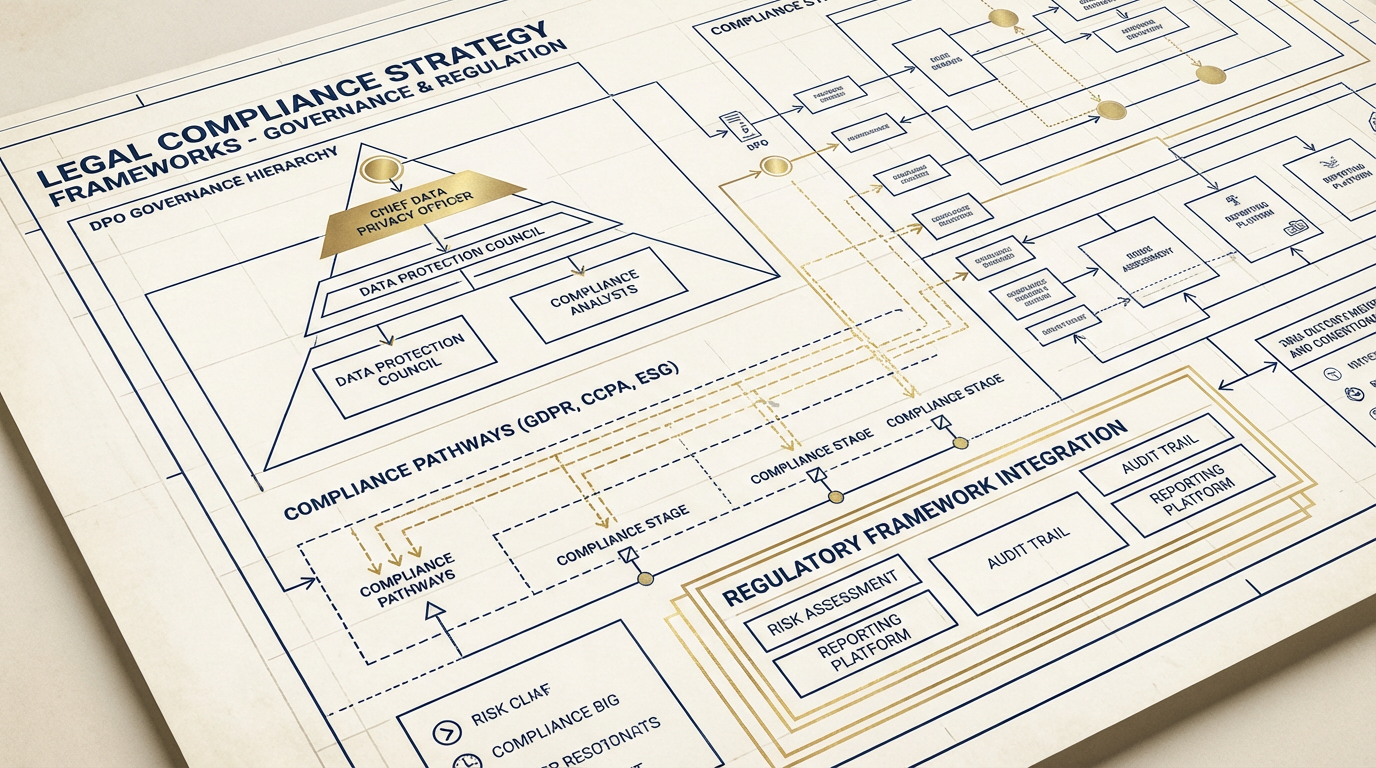

The DPO role contains inherent tension. The DPO is employed by the organisation but must sometimes oppose organisational decisions. Without structural independence this tension resolves in favour of the employer every time. The regulations recognise this and create independence requirements.
1The Conflict Problem
Consider what the DPO must sometimes do. Recommend against a profitable data processing activity because consent architecture is inadequate. Delay product launch because privacy impact assessment reveals unmitigated risks. Report security vulnerabilities that reflect poorly on technology leadership.
Each action creates organisational friction. Business units lose revenue. Projects miss deadlines. Colleagues face criticism. Without independence protection the DPO faces retaliation for performing their function. They learn to soften recommendations, delay objections and overlook problems. The function becomes compliance theatre rather than actual oversight.
Key Points
- DPO recommendations create organisational friction
- Without independence protection retaliation follows
- Function becomes compliance theatre
2Structural Independence Requirements
Independence requires structural elements beyond job description statements. The DPO reporting line must not create conflict. A DPO reporting to the CTO cannot objectively assess technology compliance. A DPO reporting to the CMO cannot objectively assess marketing data practices.
The DPO compensation must not create conflict. Performance bonuses tied to business metrics create incentive to overlook compliance issues affecting those metrics. Independence requires compensation structures that reward compliance effectiveness not business facilitation.
The DPO tenure must not create vulnerability. At will employment makes the DPO vulnerable to termination for unwelcome advice. Independence requires notice periods and documented cause requirements that prevent retaliation through termination.
Key Points
- Reporting line must avoid conflict
- Compensation must not create incentive conflicts
- Tenure must prevent termination retaliation
3Operational Independence Elements
Beyond structure, operational elements support independence. The DPO must have access to information without permission filtering. They must be able to investigate concerns without management approval. They must be able to communicate with regulators without organisational intermediaries.
These operational elements prevent soft suppression. An organisation might not terminate an independent DPO but could restrict their information access, delay their investigation approvals and monitor their regulatory communications. Operational independence elements prevent these indirect controls from undermining the function.
Key Points
- Information access without filtering
- Investigation without approval
- Regulatory communication without intermediaries
4Demonstrating Independence
Independence must be demonstrable not merely stated. Documentation should evidence independent DPO positions that conflicted with business preferences. Regulatory submissions should reference independent DPO recommendations. Board minutes should record DPO objections to subsequently modified proposals.
This evidence matters when regulators assess compliance. A DPO who has never documented disagreement with the organisation lacks credible independence. Either they are captured by organisational interests or they are fortunate to work for an organisation that never proposes non compliant activities. Regulators will assess which interpretation is more likely.
Key Takeaways
- 1Independence is structural requirement not privilege
- 2Reporting, compensation and tenure structures must avoid conflicts
- 3Operational elements prevent soft suppression of function
- 4Independence must be demonstrable through documented positions
- 5Regulators assess independence credibility through evidence