
Every employer in India is a Data Fiduciary. The DPDPA applies to every stage of the employee lifecycle, from recruitment to separation.
Employers process personal data across the entire employee lifecycle: recruitment applications, identity verification, biometric attendance, performance reviews, payroll, health insurance, disciplinary records, and exit interviews. Under the DPDPA, an employer is a Data Fiduciary for all employee personal data. Section 7 provides a limited legitimate use basis for employment-related processing, but this does not exempt employers from the full range of Data Fiduciary obligations under Section 8, including purpose limitation, data minimisation, accuracy, security safeguards, and breach notification.
Why HR Is the Largest Unaddressed DPDPA Compliance Surface
Most DPDPA compliance programmes focus on customer data. Employee data processing is often larger in volume, more sensitive in nature, and entirely unaudited.
The typical employer processes dozens of data categories about each employee: Aadhaar and PAN for verification, bank account details for payroll, health records for insurance, biometric data for attendance, performance ratings, disciplinary history, and personal contact information. This data is frequently shared with third-party processors, including payroll providers, insurance companies, background verification agencies, and cloud-hosted HRMS platforms. Each of these relationships triggers Data Processor obligations under Section 8.
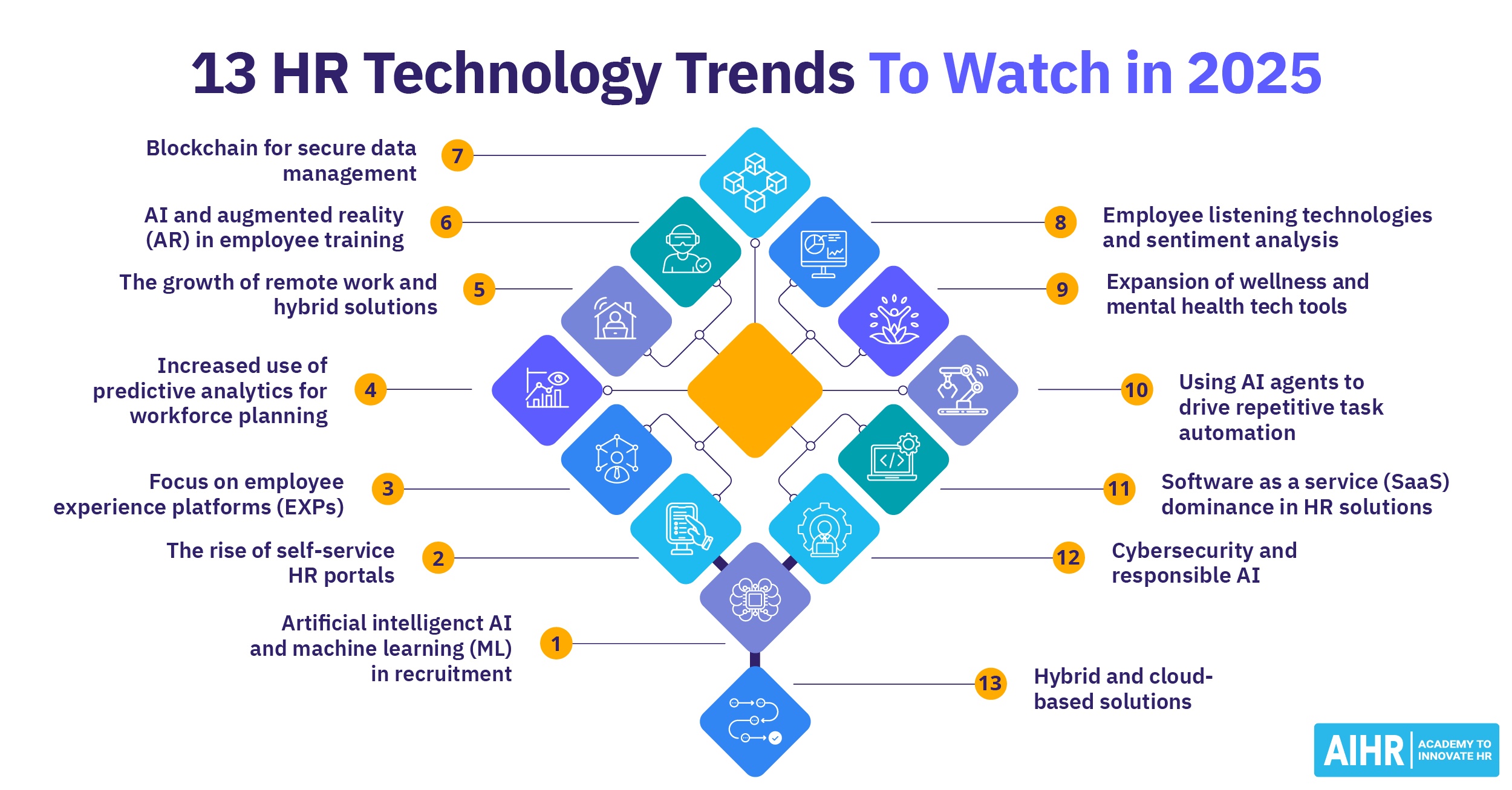
Section 7(i) permits processing without consent for purposes related to employment, but this provision is narrower than many employers assume. It covers processing necessary for the employment relationship, not all processing that an employer might find convenient. Employee monitoring, wellness programmes, sentiment analysis, and analytics-driven performance management may require separate consent unless they can be justified as necessary for the employment relationship.
Employer DPDPA Compliance Architecture
Six critical areas where employers must build or strengthen their data protection infrastructure for workforce data.
Employee Privacy Notice
Section 5 | Rule 3Employers must provide employees with a clear privacy notice identifying every processing purpose, data category, and third-party processor. This notice must be provided at the start of employment and updated whenever processing activities change.
Consent vs Legitimate Use Boundary
Section 6 | Section 7(i)Determine which processing activities fall within the Section 7(i) employment legitimate use and which require separate employee consent. Activities beyond the employment relationship, such as marketing, analytics, or wellness profiling, require consent.
HRMS and Vendor Security
Section 8 | Rule 6Human Resource Management Systems and third-party processors handling employee data must implement security safeguards proportionate to the sensitivity of the data. Data Processing Agreements must govern every vendor relationship.
Workplace Monitoring Boundaries
Section 4 | Section 6Email surveillance, CCTV monitoring, device tracking, and keystroke logging must be proportionate to the stated purpose. Each monitoring activity must be disclosed in the privacy notice and, where it exceeds the employment relationship, consented to.
Employee Rights Fulfilment
Sections 11-14 | Rule 14Employees are Data Principals. They have the right to access their data, request corrections, and demand erasure where retention is no longer necessary. Employers must build internal workflows for handling employee rights requests.
Separation and Retention
Section 8(7)When an employee separates, the employer must cease processing and erase personal data unless retention is required by law (PF, gratuity, tax records). A documented retention schedule mapping each data category to its legal retention basis is essential.
Biometric Data, Surveillance, and the Proportionality Test
Biometric attendance systems, facial recognition for access control, and employee monitoring tools process personal data that is inherently sensitive. While the DPDPA does not create a separate category for biometric data, the nature of this data amplifies every obligation. Biometric data is unique to the individual, cannot be changed if compromised, and its collection is often a condition of employment rather than a free choice. Employers must assess whether biometric processing is proportionate to the purpose and whether less intrusive alternatives exist.
"An employee's decision to accept employment does not constitute blanket consent to process their personal data for any purpose the employer deems fit. The DPDPA requires purpose-specific justification."
Frequently Asked Questions
Concise, statutory-referenced answers to the most common compliance questions on this topic.
Does the DPDPA apply to employee data?
Yes. The DPDPA applies to all personal data processed in digital form, including employee data. An employer is a Data Fiduciary for the personal data of its employees and must comply with all Data Fiduciary obligations under Section 8, including purpose limitation, security safeguards, and breach notification.
Do employers need employee consent under the DPDPA?
Section 7(i) provides a legitimate use basis for processing employee data without consent for purposes related to the employment relationship. However, processing that goes beyond the employment relationship, such as employee wellness profiling, marketing communications, or sentiment analysis, requires separate consent under Section 6.
How should employers handle biometric attendance data?
Biometric data processed for attendance must be disclosed in the employee privacy notice, secured with appropriate safeguards under Rule 6, and retained only as long as necessary. Employers should assess whether biometric collection is proportionate and document the justification. When less intrusive alternatives exist, proportionality may require their use.
What happens to employee data after separation?
Under Section 8(7), the employer must cease processing and erase personal data when it is no longer necessary for the purpose for which it was collected. However, retention required by other laws, such as provident fund, gratuity, and income tax records, must be maintained for the periods prescribed by those laws.
Get the Employee Data Compliance Brief
This brief provides a structured framework for building DPDPA compliance across the full employee lifecycle, from recruitment through separation.
From Awareness to Implementation
Understanding the requirement is the first step. Building the operational infrastructure to meet it, under scrutiny, is the work that follows.